







Search Results for: portioned packaging

Tim Hortons embroiled in shrinkage controversy: Farmer's Wrap and coffee portions alleged to have shrunk, official denies changing recipes
As a Canadian national chain brand, Tim Hortons has recently faced frequent consumer complaints on social media, with the focus on the seemingly shrunken portions of its breakfast Farmer's Wraps and coffee drinks. Many netizens have posted photos pointing out that the Farmer's Wraps are now almost half their previous size, while the price has remained the same or even increased. At the same time, the capacity of large coffees has also been questioned as having shrunk. In response to the doubts, Tim Hortons officially denied making any portion adjustments, attributing the visual differences to the packaging style and wrapping method changed earlier this year, and stating that the new packaging reduces paper box raw materials by 75%. However, when the media requested the 2022 nutrition guide for comparison, the company did not respond. This debate over "shrinkflation" is drawing widespread attention from coffee enthusiasts and chain restaurant observers. [more…]

Why do takeaway coffees pack the espresso and milk separately? Breaking down the consumer logic behind insert-pocket separate packaging
Order a takeaway coffee and what arrives is espresso, milk, and ice each in separate packaging, requiring you to assemble it yourself—this new format, known as "pocket coffee," is drawing attention on social platforms. Its emergence addresses takeaway pain points such as dissipating milk foam and loss of flavor, while also catering to young people's desire for participation and ritual. According to Deloitte data, the number of coffee shops in China has approached 110,000, with independent cafes accounting for as much as 87%, and takeaway has long become an important channel for their survival. Why has portioned coffee become popular? Can it balance flavor and experience? And what new problems might it bring? This article sorts through them one by one. [more…]
The Flavor Window and Storage Rhythm of Nutty Chocolate Coffee
The appeal of coffees with notes of nuts, cocoa, and caramel often lies in their consistent sweetness, mild acidity, and smooth entry on the palate, making them suitable for hot Americanos, milk-based coffees, or moka pot brews. However, the same bag of beans, when drunk at different times after roasting, will vary in aroma, body, and finish. When choosing this type of coffee, besides looking at the flavor description, also pay attention to the roast [more…]

The Flavor Window of Cold Brew Coffee Beans: Opening the Bag and Drinking Rhythm
For cold brew, there's no need to rush to use beans straight out of the roaster. After coffee beans finish roasting, they continue to slowly release carbon dioxide internally, and the aroma and flavors need time to rebalance. Cold extraction is inherently slower in pace, and if the beans are still in an unstable state, the cup may end up with only sharp acidity or thin aroma. Wait until the flavors open up, [more…]
The Flavor Clock After Opening Dark Roast Beans
When dark-roasted coffee beans first leave the roaster, the aroma is often very pungent, and the cup tends to show sharp smoky notes, diffuse bitterness, and a sweetness that isn't cohesive enough. The reason is that after roasting, the beans are still releasing carbon dioxide, which affects the state of the coffee bed and the water flow. When buying beans, check the roast date first, then plan your drinking schedule—this matters more than just [more…]
Guming Milk Tea Topping Portion Controversy: Employees Say One Level Spoon Meets Standard, Debate Heats Up Over Size Differences Between Old and New Spoons
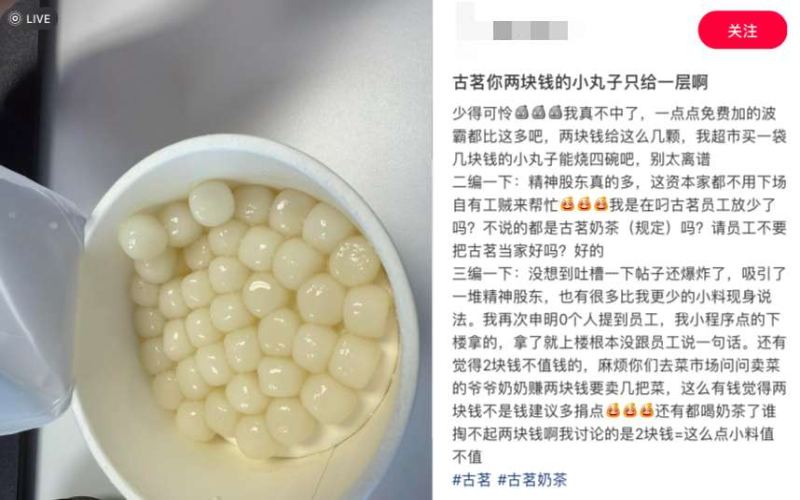
Recently, many consumers have taken to social media to report that when buying GoodTea milk tea, the separately added toppings come in a portion that is too small, covering only a single layer at the bottom of the takeout container, sparking widespread resonance. Netizens have been posting comparison photos, pointing out that GoodTea's toppings are noticeably less generous than those of brands like 1Dian1Dian and Coco. GoodTea employees responded that the brand has clear standards for topping portions, with one level spoonful being the specified amount. However, some employees revealed that stores have switched to smaller-sized topping spoons, causing the actual portion to shrink, and some staff quietly add an extra spoonful or two when managers aren't looking. This incident reflects the gap between topping standardization in the tea beverage industry and consumer expectations. [more…]
Light-roast pour-over beans: how the flavor changes from opening the bag to the last sip
The charm of light-roast coffee beans often unfolds between floral notes, fruity acidity, and a tea-like quality, but it is not a state you reach the moment you open the bag. After roasting, the beans continue to release carbon dioxide, and their aroma, acidity, and sweetness also shift over time. When buying beans, in addition to looking at the flavor description, you should also pay attention to the roast date and allow for a suitable resting period. [more…]
American Black Coffee Beans Recommendation: The Flavor Rhythm from Roasting to Opening
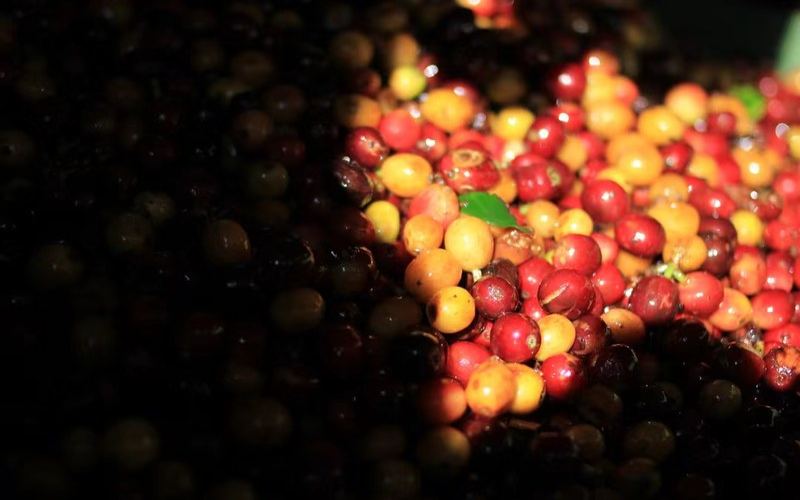
When water is added to Americano black coffee, the concentration of the coffee liquid decreases, and the aroma and aftertaste become easier to identify, so the freshness of the beans is very important. Freshly roasted coffee does not immediately present its full flavor; drinking it too early may have an obvious gassy sensation, while leaving it too long will cause it to lose its vitality. When selecting beans, the roast date and your own [more…]
After the Roast Date: A Flavor Calendar for Pour-Over Beans That Are Neither Sour Nor Bitter
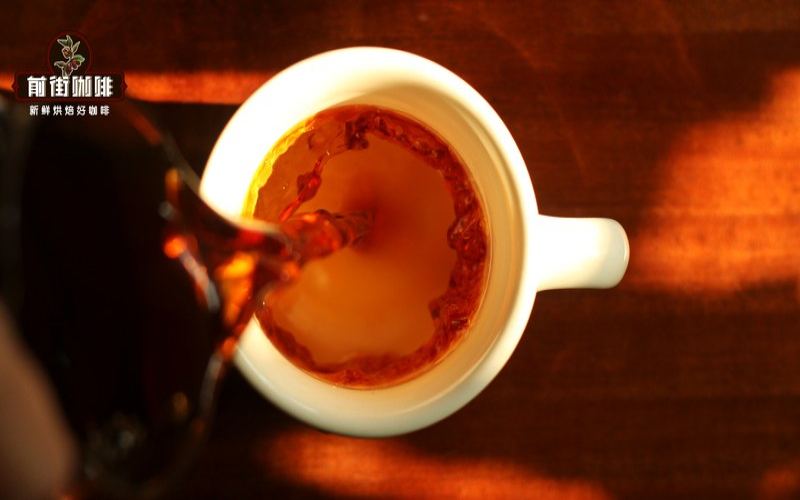
When coffee beans have just left the roaster, they are still continuously releasing carbon dioxide internally, and their aromas do not fully unfold right away. If you grind them too early for pour-over, the coffee bed tends to puff up, and the degassing also disturbs the water flow, so the cup may taste both hollow and harsh. If you want to drink a cup where both the acidity and bitterness are mellow, the key is not to chase the roast date and open the bag on the same day, but to let the beans [more…]
From roasting to opening: the drinking rhythm for sweet-aftertaste coffee beans
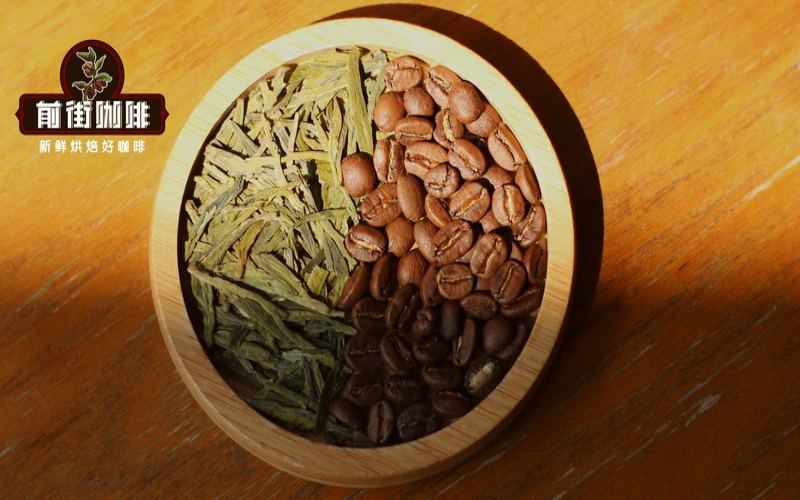
If you want a coffee that has a bright acidity that doesn't overpower and a sweet finish, don't just rely on the flavor description when buying beans—also pay attention to the roast date and your own drinking pace. Right after coffee beans leave the roaster, they are still releasing carbon dioxide internally, and their aroma and sweetness have not yet fully opened up; after resting for a period of time, the acidity in the cup becomes softer, and the sweet aftertaste also [more…]
After the roast date, when do blends and SOEs taste better?
Coffee beans aren't necessarily more fragrant the closer they are to the roaster. Freshly roasted beans continue to release carbon dioxide, making it harder for water to evenly penetrate the coffee bed during brewing, and the aroma may also seem loose and scattered. Whether a blend or an SOE tastes better often depends on whether they've reached their optimal drinking window, and whether a bag of beans can be finished in time after the flavors have opened up. [more…]
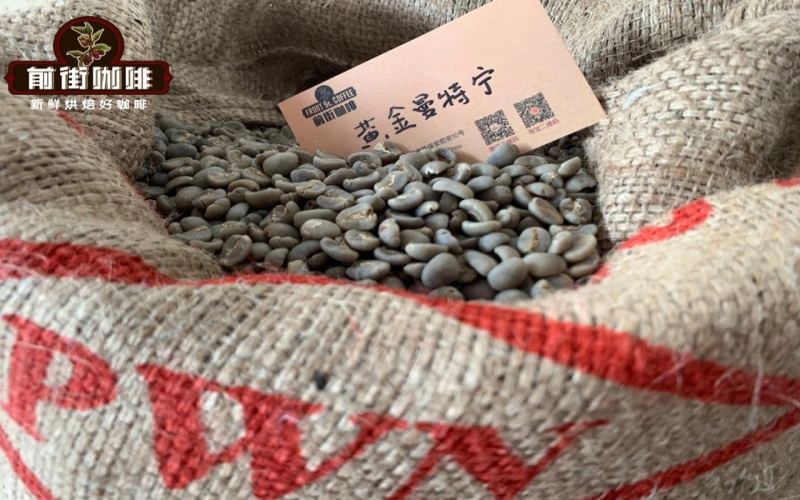
The Flavor Rhythm of Sweet Coffee Beans: From Roasting to After Opening
To drink coffee with a clearly defined sweetness, don't just focus on flavor descriptors like fruit, caramel, or honey when buying beans—also pay attention to the roast date, packaging method, and your own consumption pace. From the moment roasting is completed to the moment it's sipped, coffee beans go through a process of gradual gas release, and their aroma, acidity, and sweetness change over time. Your bean-drinking rhythm matters for the flavor [more…]
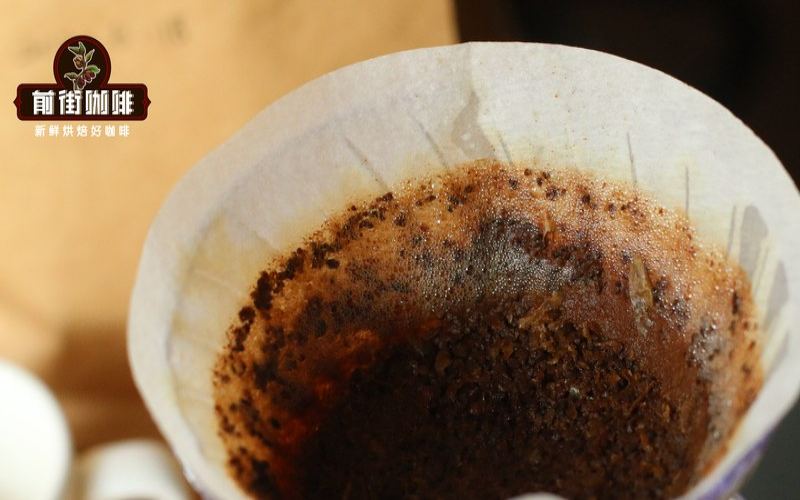
Bialetti Moka Pot Body: How to Arrange the Beans from Roasting to Cup
When coffee brewed with a moka pot has a layer of fine bubbles on its surface, it is often called crema. It is not the same as the crema of espresso; rather, it is foam formed together by carbon dioxide, coffee oils, and fine particles that hot water carries out as it passes through the coffee bed. The freshness of the beans directly affects the amount, fineness, and dissipation of this layer of foam. [more…]
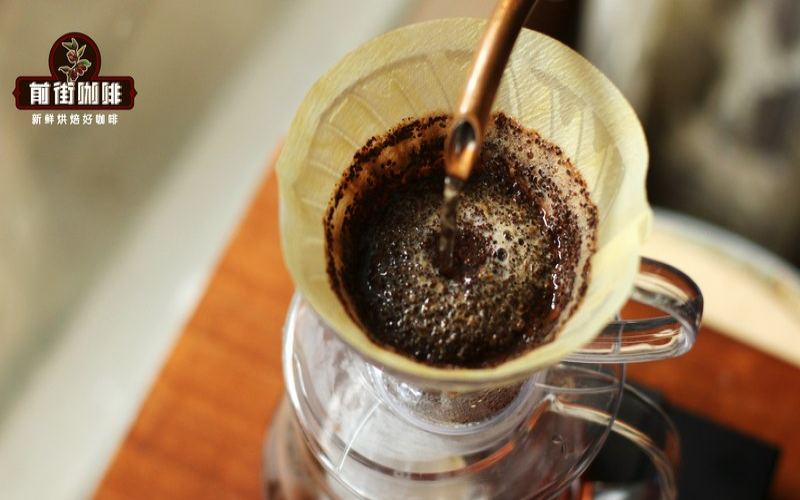
When to drink berry coffee beans for a clearer flavor
Berry-forward coffee beans often burst with aroma right after roasting, yet on the palate they can seem sharp, scattered, and may even carry a hint of roast character. Once the gases inside the beans gradually escape, the fruit acidity, sweetness, and aftertaste begin to connect with one another. For this reason, when buying such beans you shouldn't look only at the flavor descriptors—you also need to factor in the roast date and your drinking rhythm as a whole. [more…]
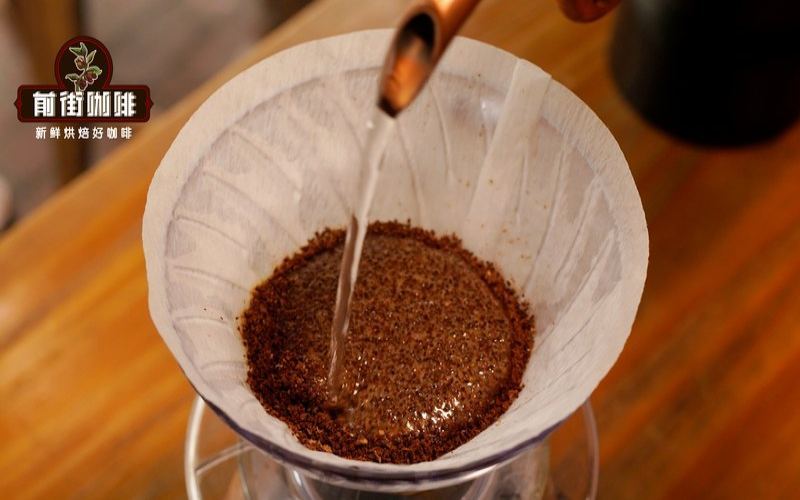
Floral and fruity pour-over beans: a flavor timeline after opening the package
In a cup of floral-fruity pour-over, the aroma changes over time. Freshly roasted beans usually carry more roasting gases, so the brew may have a scattered aroma and pronounced acidity, with the details not yet fully developed. After some time, the floral notes, fruity sweetness, and tea-like quality gradually become clearer, and the layers are more easily revealed on the palate. When buying beans, [more…]
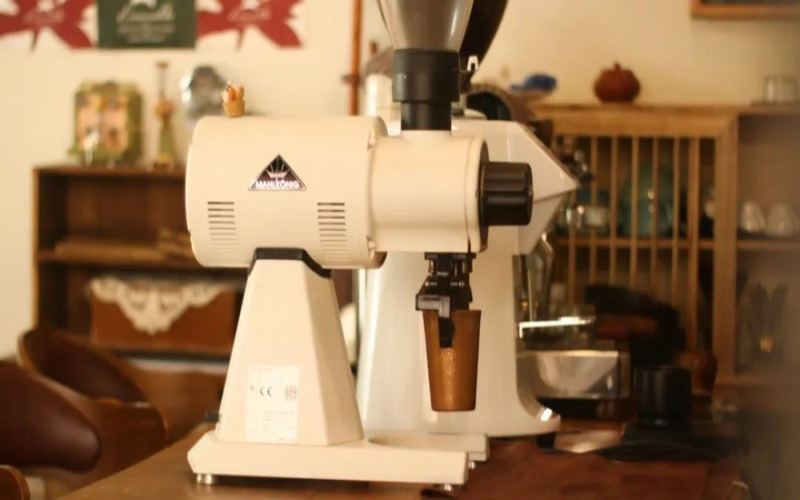
The Flavor Window and Storage Rhythm of Moka Pot Beans
Coffee brewed with a moka pot has both an espresso-like intensity and retains some of the bean's aromatic variations. Freshness directly affects this intensity: if the beans are used too early, the cup may have a noticeable bubbly sensation and a harsh, sharp bite; if rested properly, flavors like nuts, cocoa, and caramel gradually meld into one another, making each sip smoother. [more…]

The Opening Clock for Decaf Pour-Over Beans: When They Peak and How to Store Them
To enjoy a low-caffeine pour-over bean with good aroma, the key is not to chase the roast date and open the bag right away, but to let the gases inside the bean escape gradually. If you brew too early, the bed of grounds is easily lifted by the gas, and the water flows through unevenly; wait until the right stage, and the floral and fruity notes, sweetness, and aftertaste will come through more cohesively. It should be noted that resting changes the extraction performance, [more…]
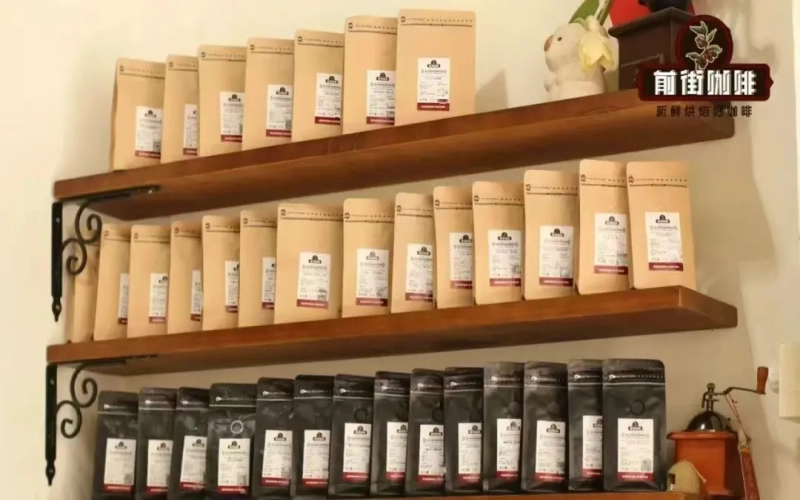
Do Frozen Coffee Beans Need to Be Thawed? From Storage Methods to Brewing Parameters, a Complete Guide to Using Frozen Coffee Beans Correctly
Does putting coffee beans in the freezer really extend their peak flavor window? Some friends have found that beans that have been frozen brew up with weaker aroma and a thin body, and so they suspect freezing is useless. In fact, freezing really can slow down coffee bean degassing and extend freshness, but only if storage and brewing are both done right. This article covers everything from airtight portioning and preventing condensation, to the two routes of brewing frozen beans directly versus brewing after thawing, and uses comparison data from Front Street Yirgacheffe · Gutingding to help you fully understand the complete operational logic of frozen coffee beans in one go. [more…]
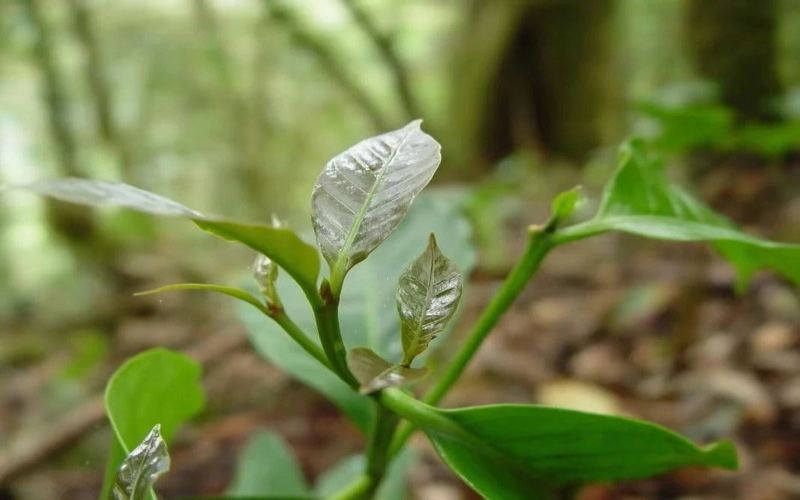
Light-roast beans from roaster to cup: freshness determines how to brew
The aroma of lightly roasted beans is often very distinct, but from the moment roasting is completed to the moment they are brewed, they do not immediately reach their ideal state. The beans continue to slowly release carbon dioxide internally, and brewing too early tends to produce sharp acidity, dissipated aroma, and insufficient sweetness. When you consider the roast date, resting time, and the rate of consumption after opening together, [more…]
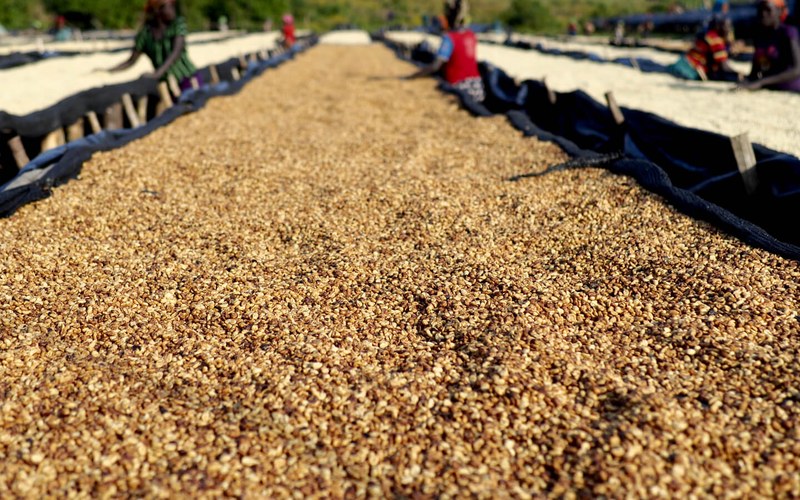
Moka Pot Oily-Mouthfeel Beans: From Roast Date to Peak Aroma
If you want to brew rich crema, a syrupy mouthfeel, and full aroma from a moka pot, the roast date of your coffee beans deserves your first attention. When beans are fresh out of the roaster, carbon dioxide is released relatively quickly, which can interfere with the extraction flow; if they are stored too long, the volatile aromas gradually fade. The ideal rhythm is to first let the degassing settle down, then take advantage of the aroma while it is still full. [more…]